WOBI
Fixing chaos in one single site
Company
WOBI
Year
2013-2014
Role
Digital Designer
As a global brand known for high-profile business events and leadership content, WOBI had a strong offline presence—but online, things were fragmented. Multiple event microsites, disconnected regional pages, and a lack of design consistency created a chaotic digital landscape. From both a user and brand perspective, it was disjointed and difficult to manage.
EGO agency was brought in to unify WOBI’s digital ecosystem. As the Product & Visual Designer on the project, my mission was to redesign and integrate everything into one scalable, modular site—creating a consistent, flexible platform that could support global events, multi-language content, and fast updates.
Goals
Business: Unify WOBI’s digital presence to reinforce brand consistency and streamline global operations.
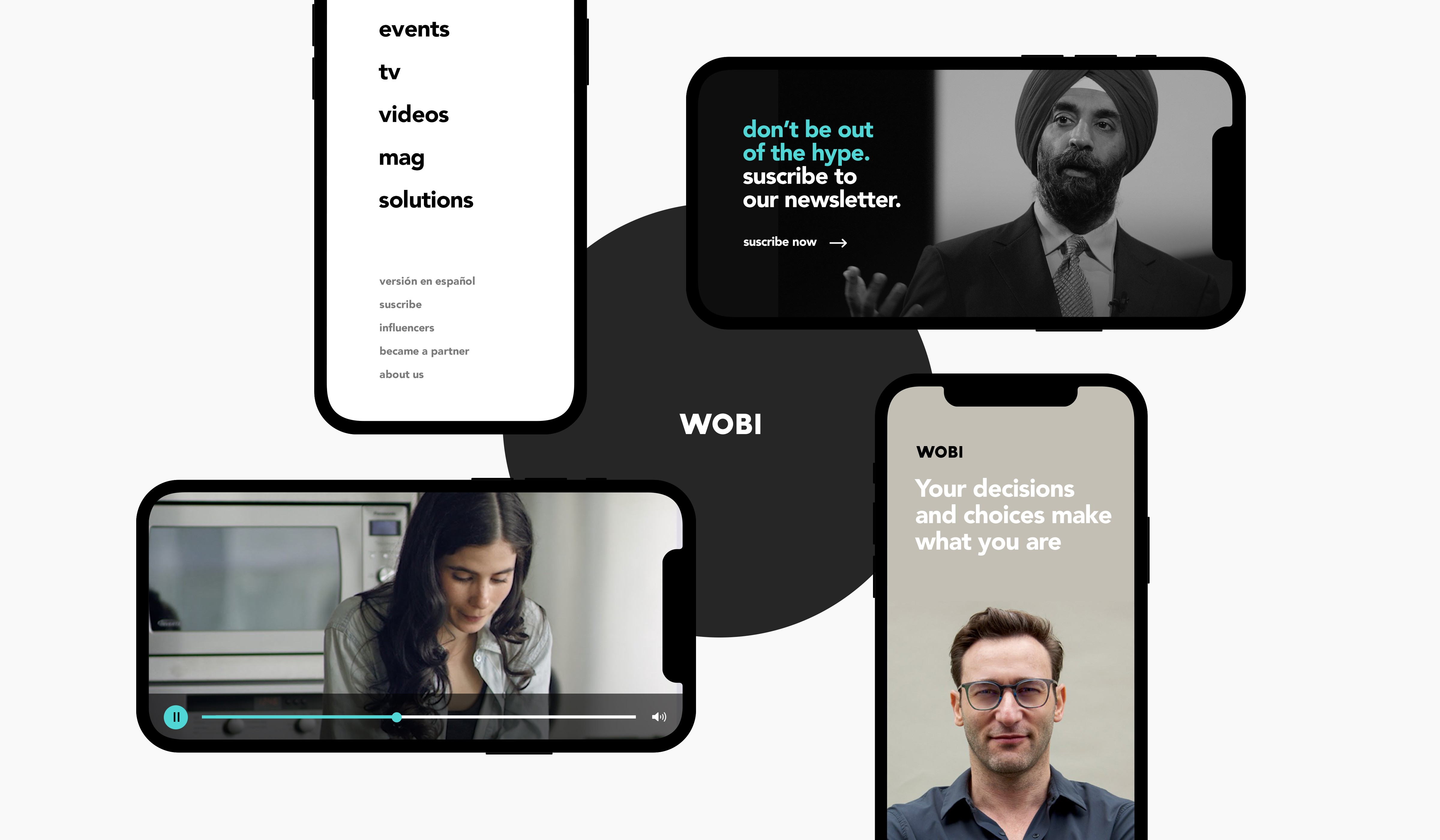
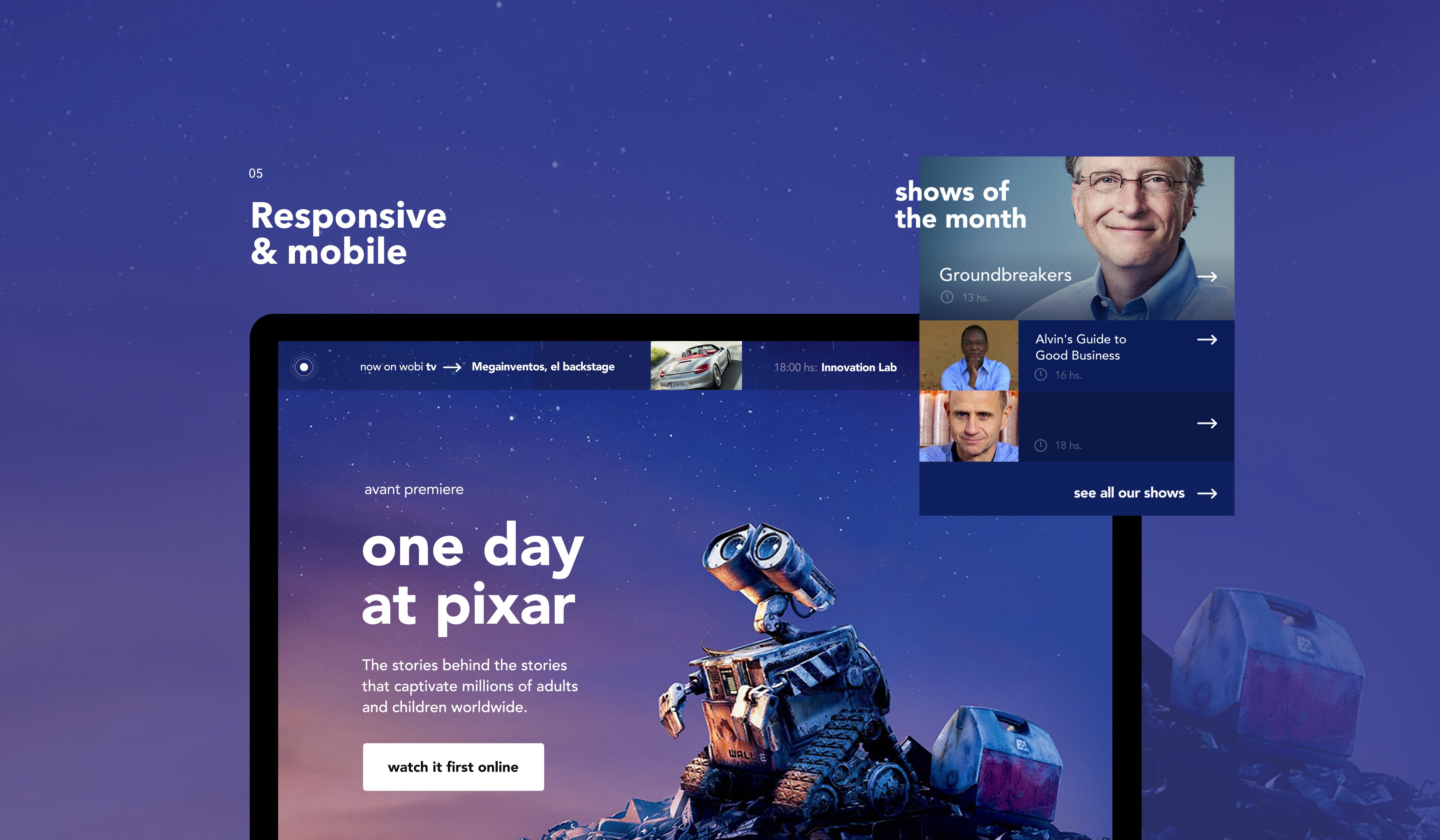
Product: Deliver a responsive, modular website capable of adapting to event types, locations, and marketing needs.
User: Improve discoverability, reduce friction, and guide users to relevant content—from keynote speakers to event registration.
Key Metrics
Site Consolidation: Number of standalone websites merged into the new platform.
Bounce Rate: Track improvement in user retention and engagement.
Publishing Efficiency: Measure how quickly internal teams could launch new pages post-integration.
Design Consistency: Evaluate reduction in ad hoc, one-off design requests.
Concepts
Simplification: We needed to clean up the digital experience—visually, structurally, and technically.
Scalability: The system had to adapt to new events, cities, speakers, and languages without custom builds.
Empowerment: Give WOBI’s internal team control over content without needing design or dev for every update.
My Approach
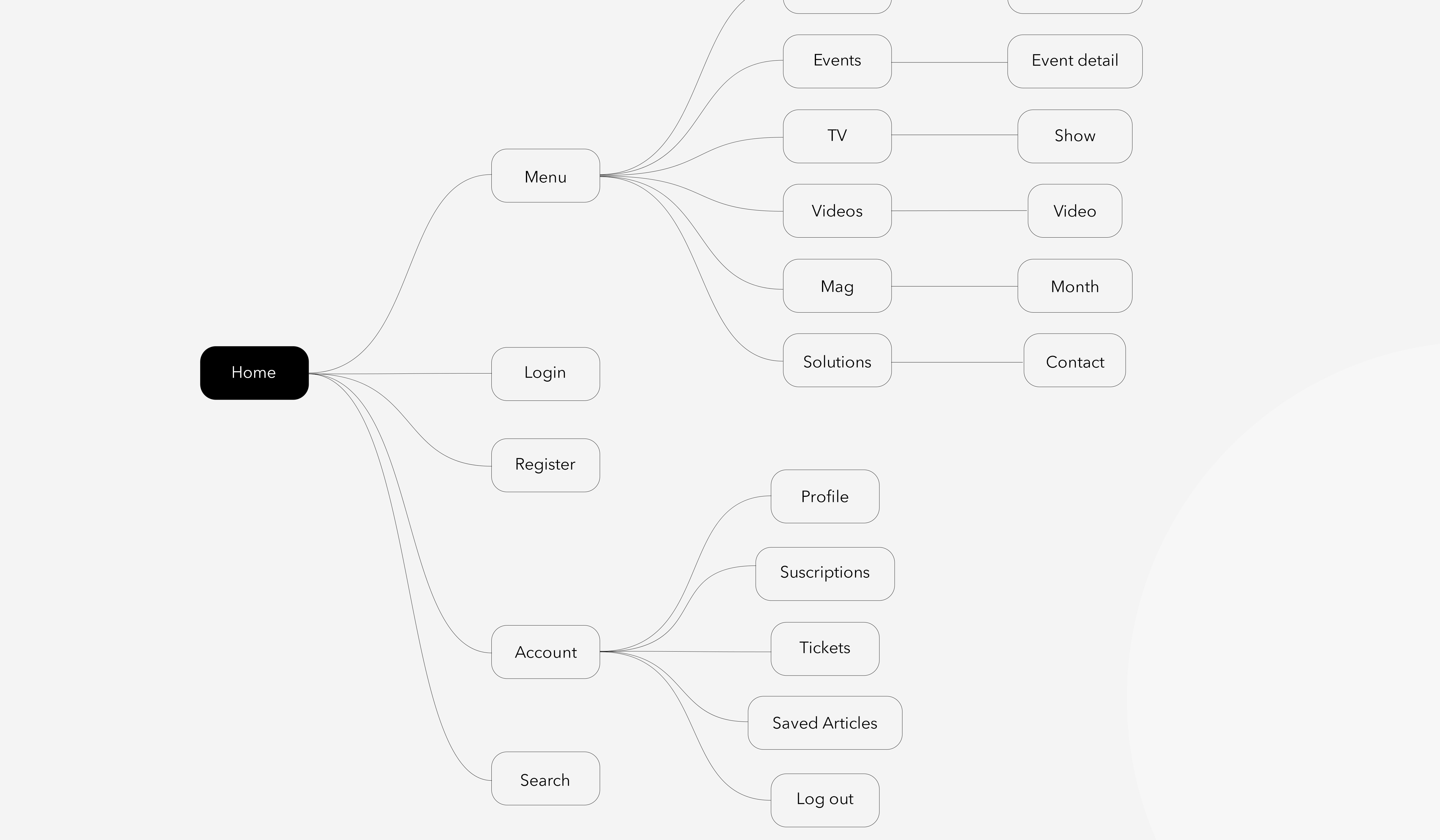
Discovery & Audit: I mapped the full ecosystem—across microsites, event landing pages, and regional portals—to identify redundancies, UX gaps, and style inconsistencies.
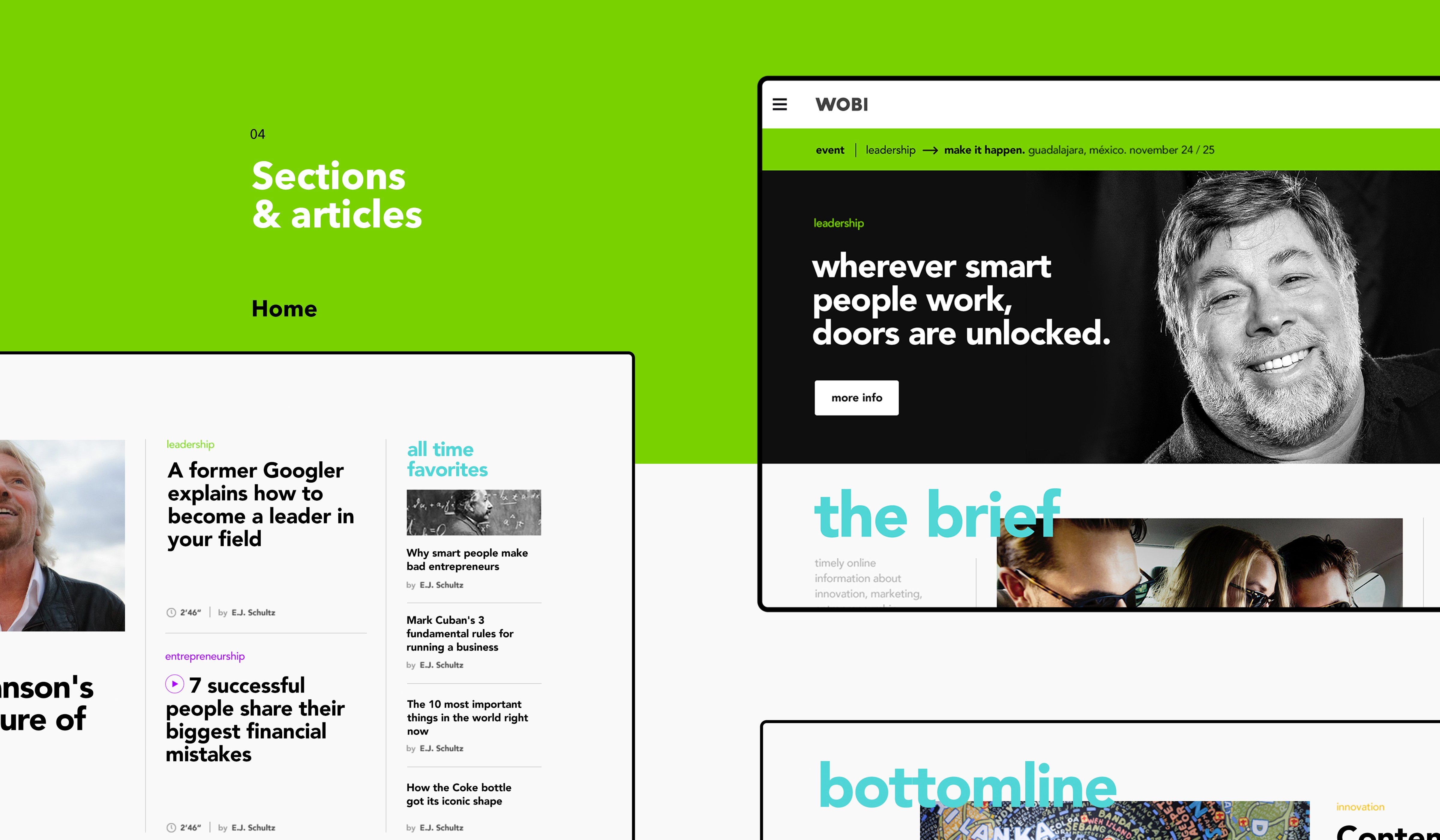
Component-Based Design: Created a full library of modular, reusable components—from hero banners to speaker grids to ticket blocks. This allowed flexible yet consistent layouts across events.
Design System Foundations: Established a unified visual language—color, typography, spacing, responsiveness—anchored in WOBI’s brand but optimized for digital clarity.
Collaborative Workflows: Worked closely with UX strategists, copywriters, developers, and WOBI stakeholders to ensure the system met business and user needs.
Localization Support: Designed with internationalization in mind, ensuring smooth implementation of multilingual content without breaking layout integrity.